

Other Names:
Glutathione, Master Antioxidant
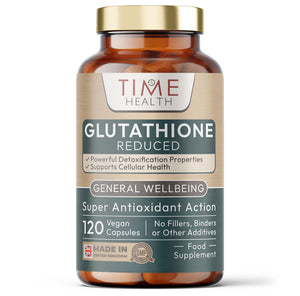
What is L-Glutathione?
Glutathione is a naturally occurring tripeptide composed of three amino acids: glutamine, cysteine and glycine. There are two different forms of glutathione; L-Glutathione, the active form that repairs oxidative damage, and Oxidised Glutathione, which is inactive and can be recycled back into L-Glutathione.
L-Glutathione is found in nearly every cell of the human body and is considered one of the most important and powerful endogenous antioxidants. Through its antioxidant action, L-Glutathione can protect the body from an array of health conditions such as stroke, Alzheimer’s disease and heart disease, as well as improving energy, skin and brain function.
Notably, there are a number of factors such as poor nutrition, environmental toxins, stress and age that can cause levels of L-Glutathione to decline, and it is important that L-Glutathione is supplemented when levels are low in order to support good health.
Health Benefits:
Powerful Antioxidant Action
L-Glutathione scavenges free radicals helping to prevent oxidative stress that occurs with the build up of free radicals. Oxidative stress has been repeatedly linked to the development of multiple different chronic diseases including diabetes, cancer and cardiovascular diseases. By increasing glutathione levels, it is possible to promote antioxidant defence, thereby reducing the risk of developing the diseases associated with oxidative stress.
Supports Liver Detoxification
Glutathione plays a key role in the detoxification of the liver as it can bind to toxins, heavy metals and metabolic by-products, allowing them to be safely excreted from the body. Furthering this, glutathione can support the plasma membrane transport of toxins for example through the formation of glutathione S-conjugates.
May Support Brain Health
Research suggests there is a clear link between low glutathione levels and the pathogenesis of several neurodegenerative diseases such as Parkinson's and Alzheimer's Disease. This is believed to be linked to the potent antioxidant abilities of L-Glutathione, as free radicals contribute to age-related changes and the deterioration of brain health. Therefore, through reduced antioxidant activity, low levels of L-Glutathione may increase the rate of damage to brain tissue and promote the development of neurodegenerative diseases. This is supported by a study which found that the neuroprotective effects seen following oral administration of glutathione correlated with decreased oxidative stress.
Typical Use:
L-Glutathione is often used in the form of capsule and powder supplements, in order to support general antioxidant activity, support detoxification and boost the immune system. Beyond this, glutathione is also widely used in topical products to reduce dark spots and enhance skin brightness.
Sources:
https://www.mdpi.com/2076-3921/12/7/1445
https://pmc.ncbi.nlm.nih.gov/articles/PMC4684116/
https://pmc.ncbi.nlm.nih.gov/articles/PMC8746815/
https://www.sciencedirect.com/science/article/abs/pii/S0306452213005927