

What is L-Glutamine?
L-glutamine is a naturally occurring key amino acid and one of the most abundant amino acids found in the human body. While under normal circumstances the body can produce sufficient amounts of this amino acid, during periods of physical stress, illness, intense exercise, or injury, demand can exceed supply. L-glutamine is a precursor of glutathione and is key to health due to its role in cellular energy, immune function, and the maintenance of the intestinal lining.
Health Benefits:
A Precursor for Glutathione
L-glutamine is a key building block in the synthesis of glutathione which is a well known powerful antioxidant. Glutathione can help to neutralise free radicals and toxins preventing their build up which can lead to cellular damage and oxidative stress. Oxidative stress has been repeatedly linked to aging and the development of chronic diseases including cardiovascular and neurodegenerative diseases. The variety of negative outcomes linked to oxidative stress evidence the value of L-glutamine for protecting health through its vital role in the production of the antioxidant glutathione.
Supports Digestive Health
Research suggests that L-glutamine may support digestive health by helping maintain a balanced gut microbiome, reducing intestinal permeability by controlling the expression of tight junction proteins and supporting nutrient absorption. One study found that supplementation with glutamine led to improved gut microbiome with a significantly reduced Firmicutes to Bacteroidetes ratio in obese individuals. Moreover, glutamine may limit the inflammatory pathways involved in conditions such as Crohn's disease and ulcerative colitis, helping to relieve symptoms such as digestive discomfort, bloating and abdominal pain.
Supports Immune Function
The immunomodulatory effects of L-glutamine are well evidenced and show that L-glutamine is involved in protecting the body from pathogens and infections. L-Glutamine can support the function of various immune cells including T-Lymphocytes, macrophages, neutrophils and monocytes. Various animal models have shown the beneficial immune results following treatment with glutamine, for example improved survival rates following infection and increased proliferation of blood lymphocytes.
Typical Use:
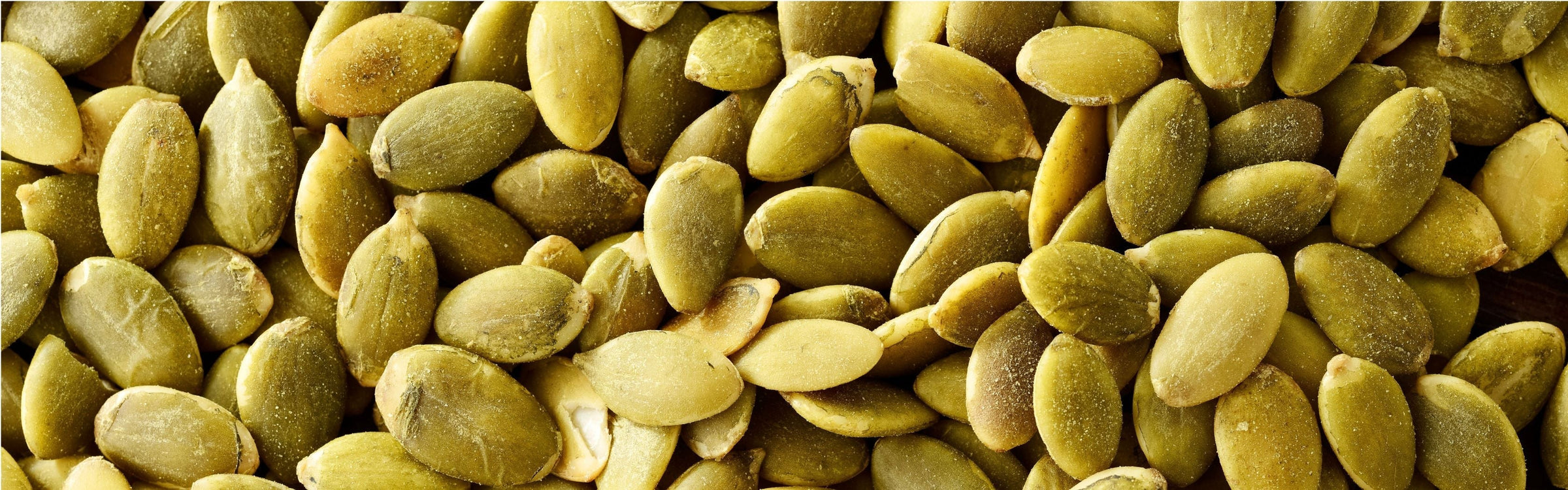
While L-glutamine is found naturally in both plant and animal foods (particularly in meat, fish, eggs, dairy products, pumpkin seeds, and beans), it is often used as a dietary supplement to support gut health, boost antioxidant action and increase immune resilience.
Sources:
https://www.sciencedirect.com/science/article/abs/pii/S1096719299928573
https://www.mdpi.com/2072-6643/10/11/1564
https://www.sciencedirect.com/science/article/pii/S2213453021000112
https://pmc.ncbi.nlm.nih.gov/articles/PMC6266414/
https://www.sciencedirect.com/science/article/pii/S0022316622145943


























































